
Jaipur is known for its grand forts, vibrant markets, and the iconic walled city famously called the Pink City. Among its many historic entry points, Sanganeri Gate stands out as a culturally rich and architecturally significant landmark. Located at the southern edge of the old city, the gate connects travelers to Johari Bazaar and marks the path towards the historic textile town of Sanganer.
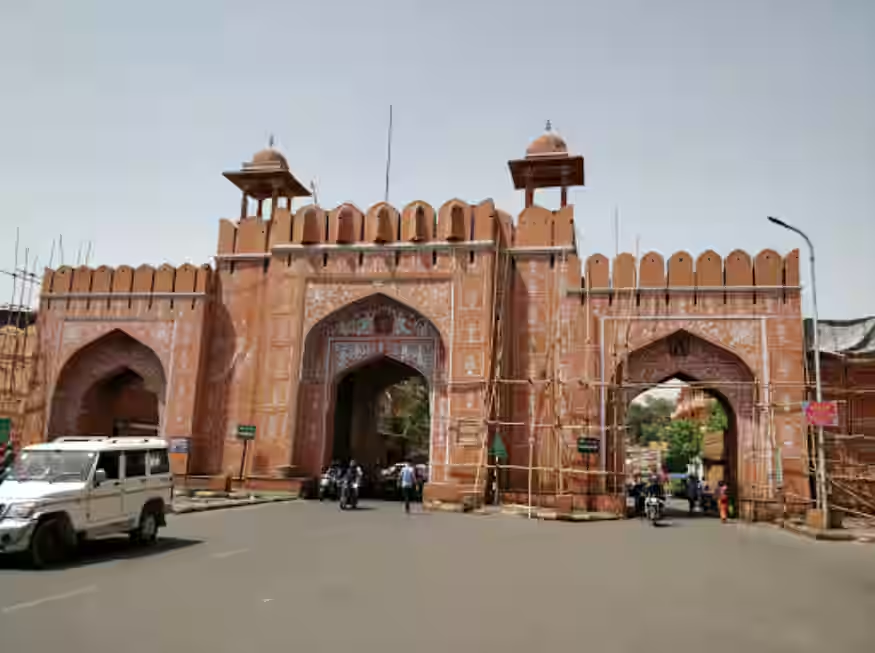
If you’re planning to explore Jaipur’s heritage and markets, Sanganeri Gate Jaipur is a must-visit stop.
Where Is Sanganeri Gate Located?
Sanganeri Gate is situated on the southern side of the walled city, close to Johari Bazaar and the bustling MI Road (Mirza Ismail Road). It acts as a key entrance point to Jaipur’s historic trading zones.
Google Map Location: https://maps.app.goo.gl/dQwuCcTobHV3ntFF8
Nearby Landmarks
- Johari Bazaar – known for jewellery, gemstones & bridal lehengas
- MI Road – one of Jaipur’s most popular shopping stretches
- Pink City area – heritage markets, temples & local food hubs
- Route to Sanganer – a town famous for block printing & handmade paper
Because of its central placement, Sanganeri Gate becomes the perfect starting point for exploring Jaipur’s traditional markets.
History of Sanganeri Gate
Sanganeri Gate dates back to the 18th century, built during the reign of Maharaja Sawai Jai Singh II, the founder of Jaipur. Jaipur’s walled city originally had seven main gates, each constructed to regulate entry, provide security, and connect trade routes.
Why Is It Called Sanganeri Gate?
The gate faces Sanganer, a town located about 16 km from Jaipur. Historically, this route was essential for trade, especially in:
- Sanganeri hand block printing
- Handmade paper craft
- Traditional textiles and dyes
Thus, the gate naturally earned the name Sanganeri Gate meaning the gateway towards Sanganer.
Architecture of Sanganeri Gate
Like many heritage structures in Jaipur, Sanganeri Gate displays a beautiful blend of Rajput and Mughal architectural elements.
Key Architectural Features
- Arched Entrance: A signature of Mughal-influenced gateways.
- Intricate Floral Carvings: Reflecting the detailed craft of Rajput artisans.
- Jharokhas (Overhanging Windows): Decorative windows used for royal viewing.
- Lattice / Jaali Work: Traditional stone-carved patterns that allow airflow and privacy.
- Pink Sandstone Finish: Complementing the city’s iconic Pink City façade.
While the gate has undergone some restoration work, it still retains its old-world charm and remains an Instagram-worthy spot for photography lovers.
Sanganeri Gate’s Cultural & Historical Importance
1. Gateway to the Pink City
Sanganeri Gate is one of the primary entrances to the historic walled city, helping traders, locals, and visitors access the marketplace.
2. Heritage Landmark
The gate is part of Jaipur’s city wall (Parkota), which itself is a UNESCO-recognized heritage zone. It represents the thoughtful urban planning that made Jaipur one of India’s first planned cities.
3. Connection to Trade & Crafts
Through this gate, traders historically transported:
- Textiles
- Hand-printed fabrics
- Dyed cloth
- Goods from Sanganer’s artisans
Even today, the markets surrounding the gate are packed with textiles, jewellery stores, handicrafts, and local artisans.
Things to Do Around Sanganeri Gate
1. Shop in Johari Bazaar
Just beyond the gate lies Johari Bazaar, one of India’s most famous jewellery markets. Explore:
- Kundan jewellery
- Gemstones
- Silver ornaments
- Bridal wear
- Handcrafted lehengas
2. Explore Local Street Food
Nearby food stalls serve classic Jaipur snacks such as:
- Kachori
- Mirchi vada
- Lassi
- Rabri
- Kulfi
The evenings around the gate are particularly lively.
3. Visit Heritage Temples
The area around the gate has several small temples, shrines, and old houses showcasing Jaipur’s rich cultural fabric.
4. Photography Opportunities
Whether you’re shooting the pink facade, busy market streets, or the sunset hues reflecting off the old walls, Sanganeri Gate is perfect for heritage photography.
Best Time to Visit Sanganeri Gate
- October to March – Pleasant weather, ideal for walking around the markets
- Morning (8–10 AM) – Great for photography and less crowded
- Evening (5–7 PM) – Best for market exploration and street food
How to Reach Sanganeri Gate
By Auto/Taxi:
Easily accessible from all parts of Jaipur. Most drivers know the gate by name.
By Local Bus:
Several city buses drop you near MI Road or Johari Bazaar.
By Walking:
If staying in the Pink City area, you can simply walk to the gate.
Tips for Visiting Sanganeri Gate
- Wear comfortable footwear you’ll be walking through narrow, crowded bazaars.
- Early morning is best for clear photos with minimal traffic.
- Keep your belongings safe in busy market areas.
- Explore nearby lanes such as Bapu Bazaar and Tripolia Bazaar.
- Don’t miss trying local sweets and quick bites.
Current Condition & Conservation
While Sanganeri Gate still stands proudly, like many heritage structures, it faces challenges such as:
- Urban traffic pressure
- Encroachments by shops
- Pollution and weathering
Restoration efforts by local authorities aim to preserve the gate’s architectural beauty. Visitors are encouraged to respect the monument and support heritage conservation.
Why You Should Visit Sanganeri Gate
Sanganeri Gate isn’t just another landmark; it’s a symbol of Jaipur’s heritage, a gateway into centuries of culture, and the entrance to one of India’s most vibrant marketplaces. Whether you’re a history lover, a photographer, a shopper, or simply curious, this gate offers a glimpse into the Pink City’s living history.
Conclusion
Sanganeri Gate Jaipur beautifully blends history, architecture, and modern-day market life. Its strategic location near Johari Bazaar makes it one of the most exciting places to start your Jaipur exploration. From its hand-carved details to the lively streets it opens into, the gate offers an authentic Pink City experience for every traveler.
If you’re planning a Jaipur itinerary, make sure Sanganeri Gate is on your must-visit list!