
Jaipur, popularly known as the Pink City of India, is one of the most visited destinations in Rajasthan. Famous for its magnificent forts, royal palaces, colorful markets, and vibrant culture, Jaipur attracts millions of travelers every year. Whether you want to explore historic sites like Amber Fort, Hawa Mahal, and City Palace or experience traditional Rajasthani culture, choosing the best time to visit Jaipur can make your trip far more enjoyable.
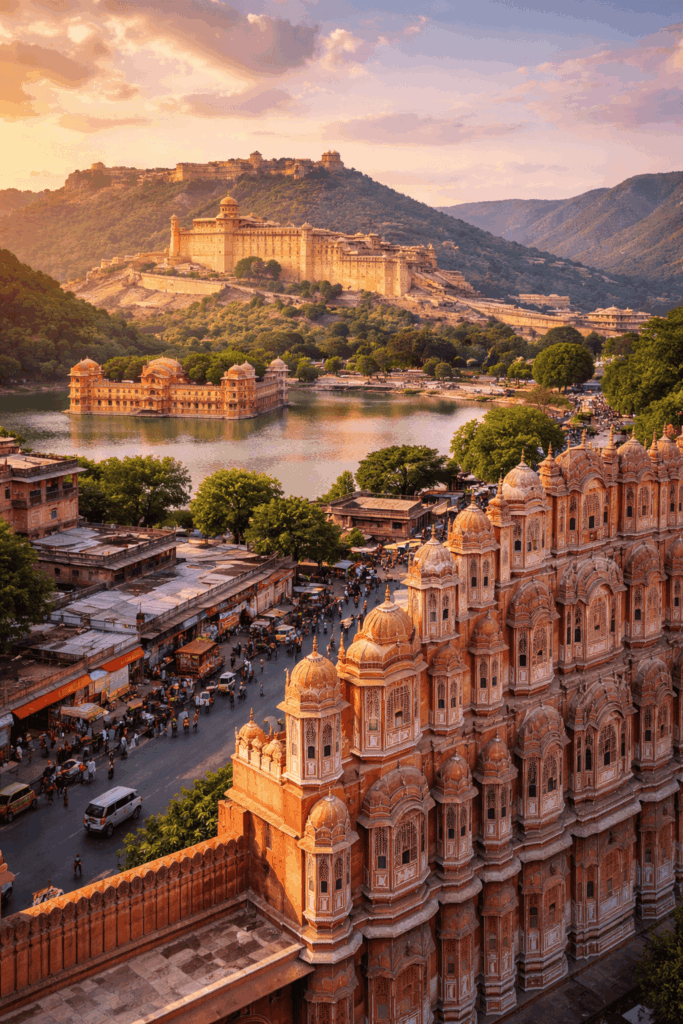
Because Jaipur is located in a semi-desert region, the city experiences extreme weather conditions throughout the year. Summers can be intensely hot, monsoons bring humidity and occasional rainfall, while winters are cool and pleasant. Therefore, understanding Jaipur’s climate and tourist seasons is essential when planning a trip.
In this detailed travel guide, we’ll explore the best season to visit Jaipur, monthly weather conditions, peak tourist months, travel tips, and ideal trip duration to help you plan the perfect Jaipur vacation.
Best Time to Visit Jaipur
The best time to visit Jaipur is during the winter months from November to February. During this period, the weather remains cool and comfortable, with temperatures typically ranging between 8°C and 26°C. The pleasant climate makes it perfect for sightseeing, exploring forts, walking through local markets, and enjoying outdoor attractions.
Winter is also considered the peak tourist season in Jaipur because visitors from across India and around the world come to experience the city’s heritage and cultural festivals.
Another good time to travel is October to March, when the weather is still relatively comfortable compared to the extremely hot summer months.

However, if you prefer fewer crowds or budget travel options, you can also consider visiting during the monsoon or early summer season, though the weather may not be as comfortable.
Jaipur Weather Overview
Before planning your trip, it’s important to understand the climate and weather conditions in Jaipur throughout the year. The city experiences three major seasons:
| Season | Months | Average Temperature | Travel Experience |
|---|---|---|---|
| Winter | November – February | 8°C – 26°C | Best time for sightseeing |
| Summer | March – June | 30°C – 45°C | Extremely hot |
| Monsoon | July – September | 25°C – 35°C | Rainfall and humidity |
Jaipur’s climate is largely influenced by its desert location, which leads to very hot summers and pleasant winters. While winter offers the most comfortable weather, each season has its own unique experience for travelers.
Jaipur in Winter (November to February) – Best Season to Visit
Winter is widely regarded as the best season to visit Jaipur. During this time, the weather is cool, sunny, and perfect for outdoor activities. The daytime temperature remains comfortable for sightseeing, while evenings can be slightly chilly.
Why Winter is the Best Time to Visit Jaipur
There are several reasons why winter is the most popular time for tourists:
Pleasant Weather
Unlike the scorching summer heat, winter offers cool and refreshing weather, making it ideal for exploring the city’s attractions.
Perfect for Sightseeing
Major attractions such as Amber Fort, Nahargarh Fort, Hawa Mahal, and Jantar Mantar require a lot of walking and outdoor exploration. Winter allows visitors to enjoy these sites comfortably.
Cultural Festivals
Winter also brings some of Jaipur’s most famous events and festivals, including:
- Jaipur Literature Festival (January) – One of the world’s largest literary festivals.
- Makar Sankranti / Kite Festival (January) – A colorful celebration where thousands of kites fill the sky.
Ideal for Shopping
Jaipur’s markets such as Johari Bazaar, Bapu Bazaar, and Tripolia Bazaar are perfect to explore during the cooler months.
Things to Keep in Mind
Because winter is peak tourist season, you may experience:
- Crowded tourist attractions
- Higher hotel prices
- Increased travel demand
Booking accommodations in advance is recommended during this season.
Jaipur in Summer (March to June)
Summer in Jaipur begins around March and continues until June. During this period, the temperature gradually rises and can reach 40°C to 45°C, making it one of the hottest seasons in the city.
Weather Conditions in Summer
- Extremely hot daytime temperatures
- Dry desert heat
- Very little rainfall
Because of the intense heat, outdoor sightseeing during the day can be uncomfortable.
Is Summer a Good Time to Visit Jaipur?
Although summer is not considered the ideal travel season, it can still be suitable for certain travelers.
Advantages
- Lower hotel prices
- Fewer crowds at tourist attractions
- Budget-friendly travel deals
Tips for Visiting Jaipur in Summer
If you decide to visit during summer, consider the following tips:
- Plan sightseeing early in the morning or late evening
- Wear light cotton clothes
- Drink plenty of water to stay hydrated
- Carry sunscreen and sunglasses
While the heat can be challenging, summer travel can still be manageable with proper planning.
Jaipur in Monsoon (July to September)
The monsoon season in Jaipur typically begins in July and continues until September. During this period, the city experiences moderate rainfall, cloudy skies, and increased humidity.
Although Jaipur does not receive extremely heavy rainfall compared to coastal regions, occasional showers can affect outdoor activities.
Advantages of Visiting Jaipur During Monsoon
Despite the rain, monsoon has some unique benefits:
Scenic Beauty
The Aravalli hills surrounding Jaipur become greener and more scenic after rainfall, offering beautiful landscapes.
Fewer Tourists
Since monsoon is not peak season, tourist spots remain less crowded.
Lower Travel Costs
Hotels and flights are often cheaper compared to winter months.
Disadvantages
However, there are also a few drawbacks:
- High humidity levels
- Rain may disrupt outdoor plans
- Limited clear views from hilltop forts
Monsoon is generally considered a shoulder season, suitable for travelers who prefer quieter destinations.
Best Month to Visit Jaipur
While winter is the best season overall, some months are particularly ideal for travel.
October
October marks the transition from monsoon to winter. The weather becomes pleasant and comfortable, making it a great time to explore the city.
November and December
These months offer cool weather and festive vibes, making them one of the best months to visit Jaipur.
January
January is one of the most exciting months in Jaipur because of cultural events like the Kite Festival and Jaipur Literature Festival.
February
February offers excellent weather with slightly fewer crowds, making it another ideal time to travel.
Best Time to Visit Jaipur for Different Travel Experiences
Different travelers may have different preferences. Here’s a quick guide based on travel interests.
Best Time for Sightseeing
November to February is perfect for exploring historical attractions comfortably.
Best Time for Festivals
January is ideal because Jaipur hosts major cultural events.
Best Time for Budget Travel
April to September often offers cheaper hotels and fewer tourists.
Best Time for Photography
October to February provides clear skies and beautiful lighting conditions for photography.
How Many Days Are Enough to Visit Jaipur?
If you’re planning a trip to the Pink City, you may wonder how many days are enough to explore Jaipur.
For most travelers, 2 to 3 days are sufficient to see the main attractions.
Suggested 2–3 Day Itinerary
Day 1
- Amber Fort
- Jal Mahal
- Nahargarh Fort (sunset view)
Day 2
- City Palace
- Hawa Mahal
- Jantar Mantar
- Local markets and shopping
Day 3 (Optional)
- Albert Hall Museum
- Chokhi Dhani cultural village
This itinerary allows visitors to explore both historical landmarks and local culture.
Travel Tips for Visiting Jaipur
Here are some practical tips to make your Jaipur trip more comfortable:
Pack According to Season
- Winter: Light woolens for evenings
- Summer: Light cotton clothes
- Monsoon: Carry umbrellas or raincoats
Book in Advance
During peak tourist season (November–February), hotels and tours may fill up quickly.
Stay Hydrated
Jaipur’s climate can be dry, so always carry water while sightseeing.
Plan Early Sightseeing
Visiting attractions early in the morning helps avoid crowds and heat.
FAQ
What is the best month to visit Jaipur?
January and February are considered the best months to visit Jaipur because the weather is pleasant and many cultural festivals take place during this time.
Is Jaipur too hot in summer?
Yes, summers in Jaipur can be extremely hot, with temperatures sometimes exceeding 40°C, which can make daytime sightseeing difficult.
Is monsoon a good time to visit Jaipur?
Monsoon can be a good option for budget travelers because there are fewer tourists and lower hotel prices, though humidity and rain may affect travel plans.
What is the peak tourist season in Jaipur?
The peak tourist season in Jaipur runs from November to February, when the weather is cool and comfortable.
Is Jaipur worth visiting in winter?
Yes, winter is the best time to explore Jaipur because the weather is ideal for sightseeing, shopping, and attending cultural festivals.
Conclusion
Jaipur is a destination that offers history, culture, architecture, and vibrant traditions throughout the year. However, choosing the best time to visit Jaipur can significantly enhance your travel experience.
The winter season from November to February is widely regarded as the best time for sightseeing, festivals, and exploring the city comfortably. October and March are also good options if you prefer pleasant weather with slightly fewer crowds.
While summer and monsoon may not be the most comfortable seasons for travel, they can still offer unique experiences and budget-friendly opportunities.
Whether you’re visiting Jaipur to explore its royal heritage, enjoy colorful festivals, or simply experience the charm of the Pink City, planning your trip during the right season will help you make the most of your journey.