
Rajasthan is known for its grand palaces, vast deserts, and culturally rich villages. While many villages in the state are famous for their traditions and heritage, Phephana village stands out as the biggest village in Rajasthan in terms of population and development.
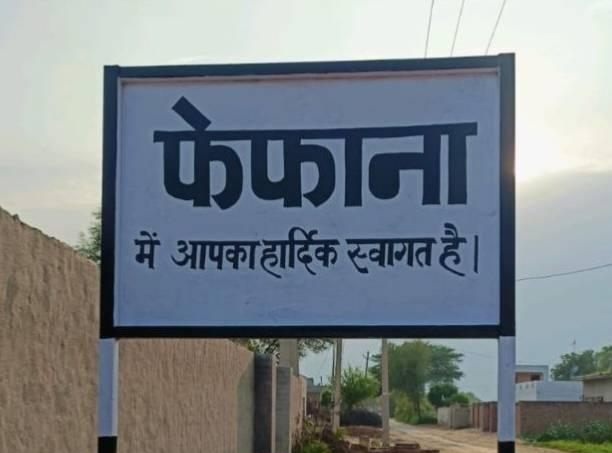
Located in the Hanumangarh district, Phephana is not just large in size but also impressive in terms of infrastructure, education facilities, and historical significance. In this blog, we will explore everything about the largest village in Rajasthan, including its population, history, infrastructure, and why it holds such an important place in the state.
Which is the Biggest Village in Rajasthan?
The biggest village in Rajasthan is Phephana, situated in the Nohar tehsil of Hanumangarh district. The village is well-known for its large population, extensive residential area, and developed infrastructure compared to many other villages in the region.
Despite being categorized as a village, Phephana offers facilities similar to a small town, including schools, healthcare centers, and markets.
Location of Phephana Village
Phephana is located in the northern part of Rajasthan near the Haryana border. Its strategic location has helped it grow economically and socially over the years.
Key location details:
- District: Hanumangarh
- Tehsil: Nohar
- State: Rajasthan
- Nearby State Border: Haryana
- Parliamentary Constituency: Churu Lok Sabha constituency
Due to its proximity to Haryana, the village has strong cultural and trade connections with neighboring regions.
Population of the Biggest Village in Rajasthan
One of the main reasons Phephana is considered the largest village in Rajasthan is its significant population.
According to census estimates:
- Total Population: More than 21,000 residents
- Number of Houses: Over 3,500 households
This population size is larger than many small towns in India, which is why Phephana often attracts attention from researchers and visitors interested in rural development.
Infrastructure and Facilities in Phephana
Unlike many rural areas, Phephana has developed strong infrastructure over the years. The village provides several essential services that support the daily lives of its residents.
Education Facilities
Education is one of the key strengths of Phephana. The village has numerous educational institutions that serve both local students and those from nearby areas.
Some highlights include:
- More than 13 schools and colleges
- Government and private educational institutions
- Senior secondary schools
- Access to higher education within the village
Because of these facilities, students do not need to travel far for basic education.
Healthcare Services
Healthcare infrastructure in Phephana is also relatively advanced for a rural area.
The village includes:
- Primary health centers
- Private clinics
- Basic hospital facilities
These healthcare services ensure that villagers can receive medical treatment without traveling to larger cities.
Transportation and Connectivity
Phephana is well connected to nearby towns and districts through road networks.
Connectivity features include:
- Good road connectivity to Nohar and Hanumangarh
- Transportation access to neighboring Haryana
- Local markets and transport services
This connectivity supports both agriculture and local trade.
History of Phephana Village
The origins of Phephana date back several centuries. Historical records suggest that the village was established during the 14th century.
According to local traditions:
- The village was founded by the Kandal dynasty
- It was named after Queen Phefa, a ruler associated with the region
The historical roots of the village contribute to its cultural importance and identity in northern Rajasthan.
Economy and Occupation
The primary occupation of people living in Phephana is agriculture. The fertile land in this region supports the cultivation of several crops.
Major agricultural products include:
- Wheat
- Mustard
- Cotton
- Bajra (pearl millet)
Apart from farming, many villagers are also involved in:
- Small businesses
- Dairy farming
- Local trade and services
The agricultural economy plays a major role in sustaining the livelihoods of residents.
Cultural Life in the Village
Like many villages in Rajasthan, Phephana has a vibrant cultural life rooted in traditions and community celebrations.
Common cultural elements include:
- Traditional Rajasthani festivals such as Teej, Holi, and Diwali
- Folk music and local cultural events
- Strong community participation in social gatherings
- These traditions help maintain the social unity of the village.
Why Phephana is Considered the Largest Village in Rajasthan
Several factors contribute to Phephana’s recognition as the biggest village in the state:
- Large population compared to other villages
- High number of residential houses
- Well-developed infrastructure
- Educational and healthcare facilities
- Historical significance and long settlement history
These factors collectively make Phephana one of the most prominent rural settlements in Rajasthan.
Interesting Facts About Phephana
Here are some interesting facts about Rajasthan’s largest village:
The population exceeds 21,000 residents
It has over 3,500 houses
The village has 13+ educational institutions
It was established in the 14th century
Located near the Rajasthan–Haryana border
These features make Phephana a unique example of rural growth and development.
FAQs About the Biggest Village in Rajasthan
Which is the largest village in Rajasthan?
Phephana village in Hanumangarh district is considered the largest village in Rajasthan.
Where is Phephana village located?
Phephana is located in the Nohar tehsil of Hanumangarh district near the Haryana border.
What is the population of Phephana village?
The village has a population of more than 21,000 residents.
Why is Phephana famous?
Phephana is famous for being the biggest village in Rajasthan and for its developed infrastructure and educational institutions.
When was Phephana village established?
Historical accounts suggest the village was established in the 14th century by the Kandal dynasty and named after Queen Phefa.
Conclusion
Phephana village in Hanumangarh district proudly holds the reputation of being the biggest village in Rajasthan. With a large population, strong infrastructure, historical roots, and active agricultural economy, the village represents the evolving landscape of rural Rajasthan.
Although classified as a village, Phephana functions much like a small town, offering educational, healthcare, and social facilities that support thousands of residents. Its growth reflects the potential of rural communities in India when development and tradition go hand in hand.