
The Pink City of India is celebrating a remarkable milestone today as Jaipur Foundation Day 2026 (जयपुर स्थापना दिवस 2026) marks 299 years since the historic city was founded by Maharaja Sawai Jai Singh II on November 18, 1727.
Known for its magnificent forts, royal palaces, colourful markets and extraordinary urban planning, Jaipur has spent nearly three centuries building an identity that extends far beyond Rajasthan.
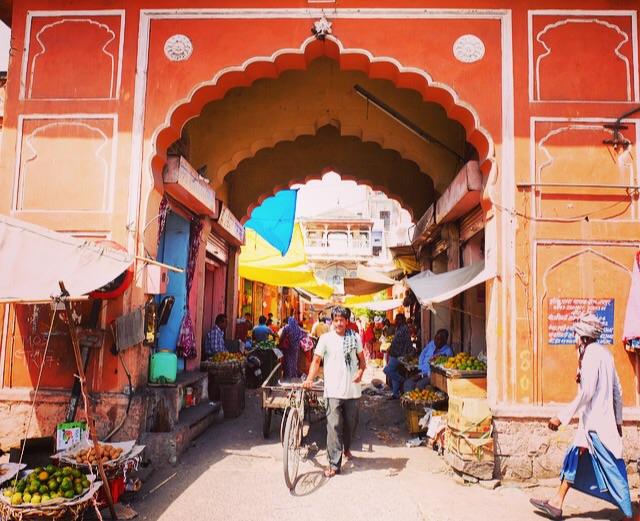
This year’s Jaipur Sthapna Diwas is particularly special. The city has completed 299 years and officially entered its 300th year, beginning the countdown to its historic 300th foundation anniversary on November 18, 2027.
From the grand architecture of Hawa Mahal and City Palace to the bustling lanes of Johari Bazaar and the timeless traditions of Rajasthani craftsmanship, Jaipur Foundation Day is an occasion to celebrate the history, people and cultural spirit that make the city extraordinary.
Jaipur Foundation Day 2026: Date, Anniversary and Key Facts
Every year, Jaipur celebrates its Foundation Day on November 18, commemorating the establishment of one of India’s most historically significant planned cities.
Here are the important facts about Jaipur Sthapna Diwas:
| Particular | Details |
|---|---|
| Foundation Day | November 18 |
| Jaipur Foundation Day 2026 | Wednesday, November 18, 2026 |
| Year of establishment | 1727 |
| Anniversary in 2026 | 299th |
| Founder | Maharaja Sawai Jai Singh II |
| Chief city planner | Vidyadhar Bhattacharya |
| Former royal capital | Amer (Amber) |
| Popular nickname | Pink City of India |
| UNESCO recognition | Historic Walled City of Jaipur, 2019 |
| 300th Foundation Anniversary | November 18, 2027 |
For Jaipur residents, Foundation Day is more than a historical date. It is a reminder of the city’s royal origins, architectural achievements, artistic traditions and continuing cultural importance.
Jaipur Foundation Day 2026 Celebrations: How the Pink City Is Marking Its 299th Anniversary
The 299th Jaipur Foundation Day is being observed through religious ceremonies, cultural performances, festive decorations and heritage-focused activities.
The Jaipur Municipal Corporation, trade associations and local organisations have planned programmes across the city to mark the occasion and welcome Jaipur’s 300th year.
Religious ceremonies at historic locations
The celebrations include prayers at some of Jaipur’s most important religious and historical sites.
Programmes began on November 17 with ceremonies associated with Moti Dungri Ganesh Temple, Gangapol Gate and Govind Dev Ji Temple.
On November 18, celebrations at the historic Gangapol Gate featured special Ganesh worship and a helicopter flower shower, drawing attention to the location traditionally associated with Jaipur’s foundation.
Gangapol holds a special place in local history and is closely connected with the story of the city’s establishment in 1727.
Cultural programmes and poetry celebrations
A poetry programme at Birla Auditorium was among the cultural highlights organised for Jaipur’s Foundation Day festivities.
The programme brought together performers and poets, reflecting the importance of literature, humour, artistic expression and cultural gatherings in Jaipur’s identity.
These events highlight how Jaipur’s heritage extends beyond its monuments to include its living traditions and creative communities.
Festive lighting and decorations across Jaipur
Several prominent locations and traditional markets are part of the Foundation Day festivities.
Celebrations include planned diya lighting, decorative installations, rangoli activities and illuminated public spaces.
Panch Batti on MI Road, Statue Circle and parts of the historic Walled City are among the locations associated with the festive programmes.
For residents and visitors, the celebrations offer an opportunity to experience Jaipur’s community spirit while reconnecting with its architectural and cultural legacy.
History of Jaipur: How the Pink City Was Founded in 1727
To understand the significance of Jaipur Foundation Day, we must revisit the remarkable vision of Maharaja Sawai Jai Singh II.
Before Jaipur was established, Amer served as the capital of the Kachwaha Rajput rulers.
Located among the Aravalli hills, Amer was known for its fortified landscape, royal residences and strategic importance. However, as the kingdom expanded, the limitations of the existing capital became increasingly evident.
The growing population, restricted space for expansion and challenges associated with water availability created the need for a larger and better-planned capital.
Maharaja Sawai Jai Singh II envisioned a new city that could accommodate residential neighbourhoods, commercial markets, administrative functions and royal establishments while supporting future growth.
On November 18, 1727, he founded Jaipur on the plains south of Amer.
The new capital was named Jaipur in honour of its founder.
Unlike many cities that developed gradually around forts, settlements or trading routes, Jaipur was conceived through a comprehensive planning vision.
It was designed to serve not only as a royal capital but also as an organised centre of trade, culture, learning and craftsmanship.
That vision continues to shape the city nearly 300 years later.
Who Was Maharaja Sawai Jai Singh II, the Founder of Jaipur?
Maharaja Sawai Jai Singh II was an influential Rajput ruler of Amer, remembered for his interests in astronomy, mathematics, architecture and administration.
Born in 1688, he became ruler of Amer in 1699 and went on to establish Jaipur as his new capital.
His legacy is especially remarkable because his ambitions extended beyond military and political power.
He believed in scientific observation, intellectual enquiry and the practical application of knowledge.
His interest in astronomy led to the construction of major observatories, including the famous Jantar Mantar in Jaipur.
The creation of Jaipur demonstrated his ability to combine scientific thinking with traditional Indian architecture and urban development.
Today, Maharaja Sawai Jai Singh II is remembered not simply as the founder of Jaipur, but as a visionary ruler whose ideas helped shape one of India’s most distinctive historical cities.
Vidyadhar Bhattacharya: The Architect Behind Jaipur’s Unique City Planning
One of the most fascinating aspects of Jaipur’s history is its carefully organised urban design.
Maharaja Sawai Jai Singh II worked with Vidyadhar Bhattacharya, a scholar, architect and city planner, to transform the vision of a new capital into reality.
The design drew upon traditional Indian planning principles associated with Vastu Shastra and Shilpa Shastra, while incorporating practical considerations such as trade, movement, public spaces and urban organisation.
What makes Jaipur’s city planning special?
Jaipur’s historic layout is characterised by several distinctive features:
- Grid-pattern streets: Major roads intersect in an organised layout, creating recognisable city blocks.
- Wide commercial avenues: Broad streets were designed to support movement and trade.
- Planned markets: Different commercial areas developed identities associated with specific trades and crafts.
- Chaupars: Public squares at key intersections provided important civic and commercial spaces.
- Chowkris: Distinct urban sectors helped organise the Walled City’s neighbourhoods.
- Fortified boundaries: Gates and surrounding walls defined and protected the historical settlement.
The original design was an exceptional achievement for an 18th-century Indian city.
Even today, visitors walking through Jaipur’s traditional markets can recognise the structure of its original plan.
The streets, gateways, neighbourhoods and market facades preserve the vision of the planners who imagined Jaipur nearly three centuries ago.
Why Is Jaipur Called the Pink City?
One of the most frequently asked questions about Jaipur is why it is known as the Pink City.
Interestingly, Jaipur was not originally called the Pink City when it was founded in 1727.
Its famous pink appearance became associated with a major royal visit during the 19th century.
In 1876, during the reign of Maharaja Sawai Ram Singh II, the city was painted in a distinctive terracotta-pink shade to welcome Albert Edward, the Prince of Wales, who later became King Edward VII.
The colour was chosen as a symbol of hospitality and welcome.
Over time, the uniform pink facades of Jaipur’s historic markets and buildings became one of the city’s most rec